
Why So Many Vancouver Lawns Look Terrible by Spring
If you live on the North Shore or anywhere in Metro Vancouver, you've probably seen it: lawns that are green with moss, soft and spongy underfoot, and patchy from one end to the other. By May, after a full winter of heavy rain, many yards look worse than the year before.
The problem usually isn't the grass seed or the fertilizer. It's the soil underneath. North Shore soils are often clay-heavy, which means water sits on top instead of draining through. Couple that with 1,600–2,000mm of annual rainfall in North Vancouver and West Vancouver, and the ground stays waterlogged for months. Grass suffocates. Moss takes over because moss thrives in exactly these conditions.
Overseeding and fertilizing on top of a damaged, compacted, moss-covered lawn rarely works. The real fix is stripping the surface entirely and addressing what's underneath before you replant.
What Dynamic Rents: Manual and Gas Self-Propelled Sod Cutters
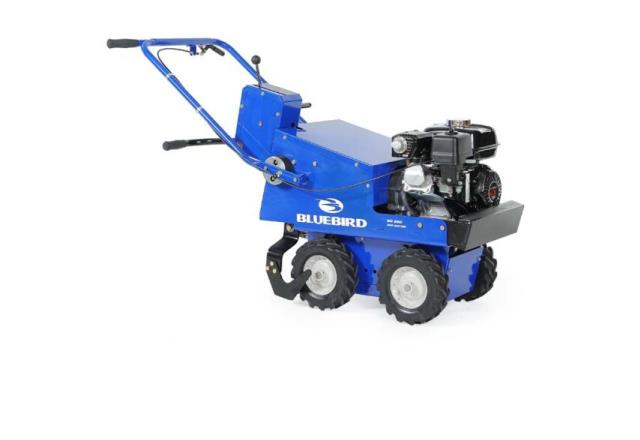
Dynamic Equipment Rentals stocks two sod cutters: a manual model and a gas self-propelled model.
The manual sod cutter is a push tool — you push it forward and a flat blade at the bottom slices under the sod at a set depth. It works well on small areas, flat ground, and anyone who wants to do smaller patches by hand without the noise and weight of a gas machine. It's lighter and easier to handle through tight spaces.
The gas self-propelled sod cutter drives itself forward. You guide it rather than push it. This makes a huge difference on larger areas — a full backyard, a front lawn, any run of more than about 50 square metres. The machine does the hard work. You set the blade depth, guide it in strips, and the sod rolls up behind you in clean sections that are easy to lift and remove.
When to Do It: The Vancouver Lawn Renovation Window
Timing matters a lot on the North Shore. The best window for lawn renovation in Greater Vancouver is late August through early October. Here's why:
The soil is drier than at any other time of year. Dry soil is firmer, easier to cut cleanly, and easier to rework. The sod cutter blade goes through dry sod much more smoothly than through waterlogged turf in March.
Temperatures are mild — not too hot for new seed or sod to establish, and you still have weeks before the heavy fall rains arrive. New grass needs a few weeks to root before it gets hammered by a wet winter.
If you miss the fall window, late April through May is the second option — after the worst of the wet season but before summer heat. Avoid stripping sod in winter or when the ground is saturated. A sod cutter in waterlogged January soil makes a mess and doesn't help the drainage situation you're trying to fix.
What to Do After You Strip: Fix the Drainage First
Here's the most important part of the process that most people skip: once the sod is off, look at what you're working with.
If the exposed soil is grey, compacted, and barely absorbs water, you have a drainage problem that new sod won't fix on its own. This is the moment to address it — before you lay anything new.
Common fixes include tilling or aerating the subsoil to break up compaction, adding a layer of sharp sand and compost to improve drainage, and regrading so the ground slopes slightly away from your house rather than toward it. On very wet North Shore properties, a perforated drainage pipe buried around the perimeter of the lawn can make a big difference.
None of this is complicated, but it all needs to happen before the new grass goes in. Laying fresh sod over unaddressed clay and calling it done will get you the same waterlogged lawn in two years.
Disposing of Stripped Sod in Metro Vancouver
Stripped sod is heavy. A full backyard of North Shore clay-based turf can weigh several tonnes. You need a plan for where it goes before you start.
Your options: drop it at a Metro Vancouver yard waste transfer station (call ahead to confirm they accept sod and check current tipping fees), rent a bin from a disposal company, or donate strips to a neighbour or community garden — fresh sod stays viable for a few days if you keep it moist and roll it up.
Some people invert the strips (grass side down) in a pile and compost them in place. That works but takes space and several months to break down fully.
One thing to keep in mind: don't put sod strips in your green bin for curbside pickup. They're too heavy and bulky for residential collection. Drop-off is the right route.
Rent a Sod Cutter at Dynamic Equipment Rentals
Dynamic Equipment Rentals stocks both the manual and gas self-propelled sod cutter at their North Vancouver and Port Coquitlam locations. Late summer is the busiest time for sod cutter rentals — if you have a specific weekend in mind, book ahead.
Call 604-973-2171 or browse the landscape and garden equipment category at dynamic-rentals.com. If you're not sure whether you need the manual or gas model, tell the team the size of your lawn and they'll point you in the right direction.