
Forklift Rental vs. Ownership: Making the Right Call
For businesses that need a forklift on a continuous, daily basis, ownership typically makes sense. But for contractors, event companies, moving operations, warehouse expansions, or any situation where the need is project-based or seasonal, rental is almost always the smarter financial decision.
Rental eliminates capital expenditure, maintenance costs, storage requirements, and the logistical headache of transport. You get a serviced, inspected machine when you need it, and it goes back when the project is done. For a one-week fit-out, a seasonal inventory operation, or a one-time large material move, the math almost always favours rental.
Counterbalance Forklifts: The Workhorse of Material Handling
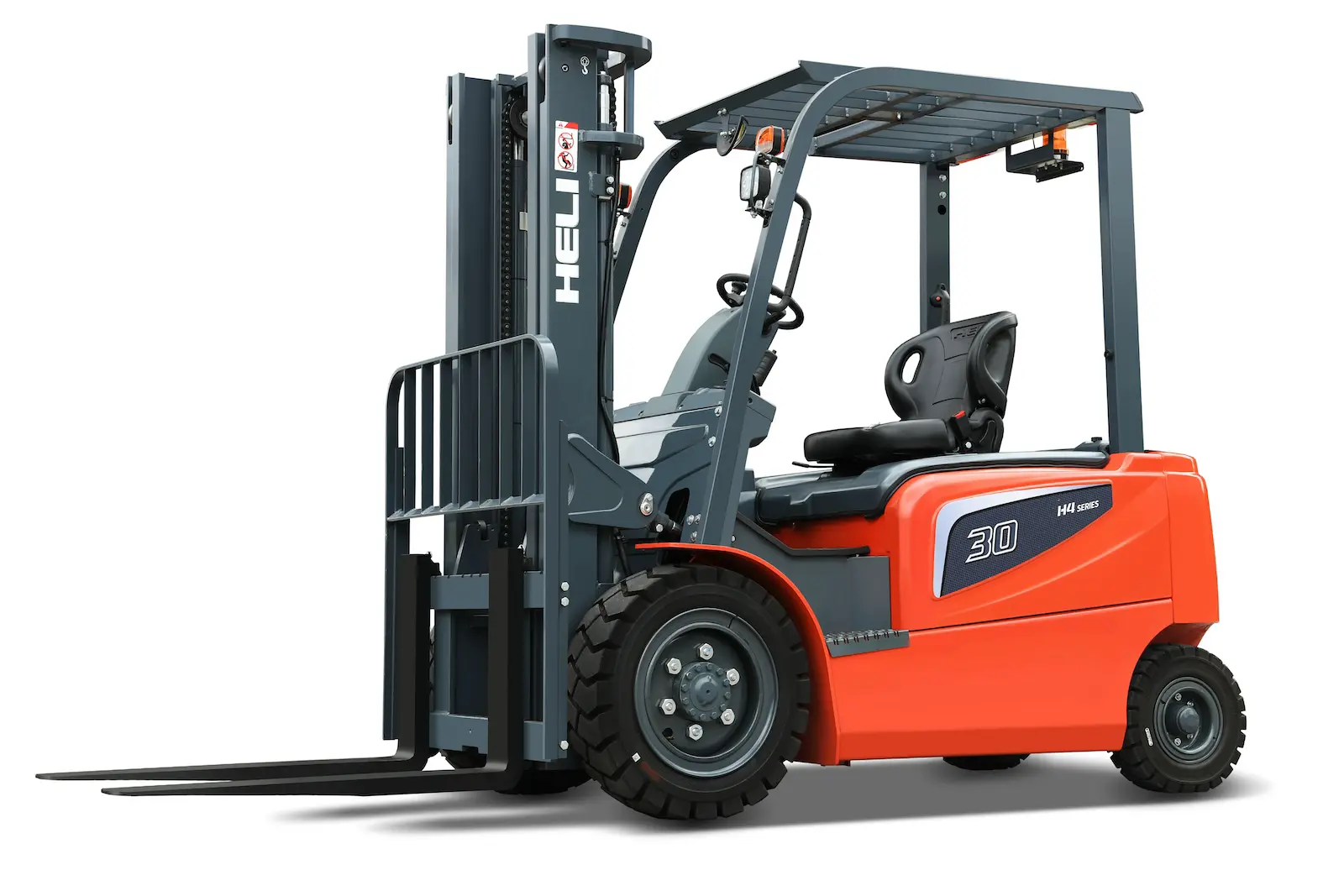
The counterbalance forklift is what most people picture when they hear "forklift" — a vehicle with two forks at the front and a weighted rear end to balance the load. They're suitable for loading docks, warehouse aisles, outdoor yards, and any application where palletized or crated goods need to be moved horizontally and raised to shelf or vehicle height.
Counterbalance forklifts are available in electric (for indoor, emissions-sensitive environments) and internal combustion (diesel, LPG, or gasoline for outdoor and ventilated spaces) variants. For most construction site applications — moving materials, unloading deliveries, stacking supplies — a propane or diesel counterbalance forklift is the standard choice.
Telehandlers: When You Need a Forklift That Reaches
A telehandler (telescopic handler or reach forklift) combines the functionality of a forklift with an extendable boom that can raise and reach loads well beyond what a standard counterbalance forklift can achieve. This makes them invaluable on construction sites where materials need to be placed at height — framing packages on upper floors, roofing materials, structural steel components, and so on.
Telehandlers can also be fitted with different attachments — pallet forks, work platforms, buckets, and lifting hooks — making them one of the most versatile machines on a construction site. If your project involves lifting and placing heavy materials at height, a telehandler is likely more efficient than a forklift and a separate boom lift.
Forklift Operator Requirements in British Columbia
In BC, forklift operators must be trained and deemed competent by their employer before operating powered industrial trucks. WorkSafeBC Regulation Part 16 applies, and employers are legally responsible for ensuring operators are trained on the specific type and model of forklift they'll use.
Pre-operation inspections are mandatory before each shift. The inspection checklist includes tires, forks, mast, hydraulics, brakes, lights, horn, and fuel or battery level.
Operators must never exceed the rated capacity of the machine. The rated capacity is posted on the data plate on the forklift — always check it against your load weight before lifting.
If your crew needs operator training, Dynamic Equipment Rentals offers safety training services. Ask when you book.
Book a Forklift Rental at Dynamic Equipment Rentals
Dynamic Equipment Rentals is one of the Lower Mainland's most established equipment rental operations, serving the North Shore and beyond since 1972. Their material handling category includes forklifts and related equipment available for daily, weekly, and monthly rental periods.
Three locations — North Vancouver (Welch St.), Dollarton/North Vancouver (Spicer Rd.), and Port Coquitlam — make them accessible from virtually any job site in the region. Browse the material handling inventory at dynamic-rentals.com or call 604-973-2171 to discuss your specific load requirements and confirm availability. The team can also advise on whether a counterbalance forklift or a telehandler is the better fit for your application.